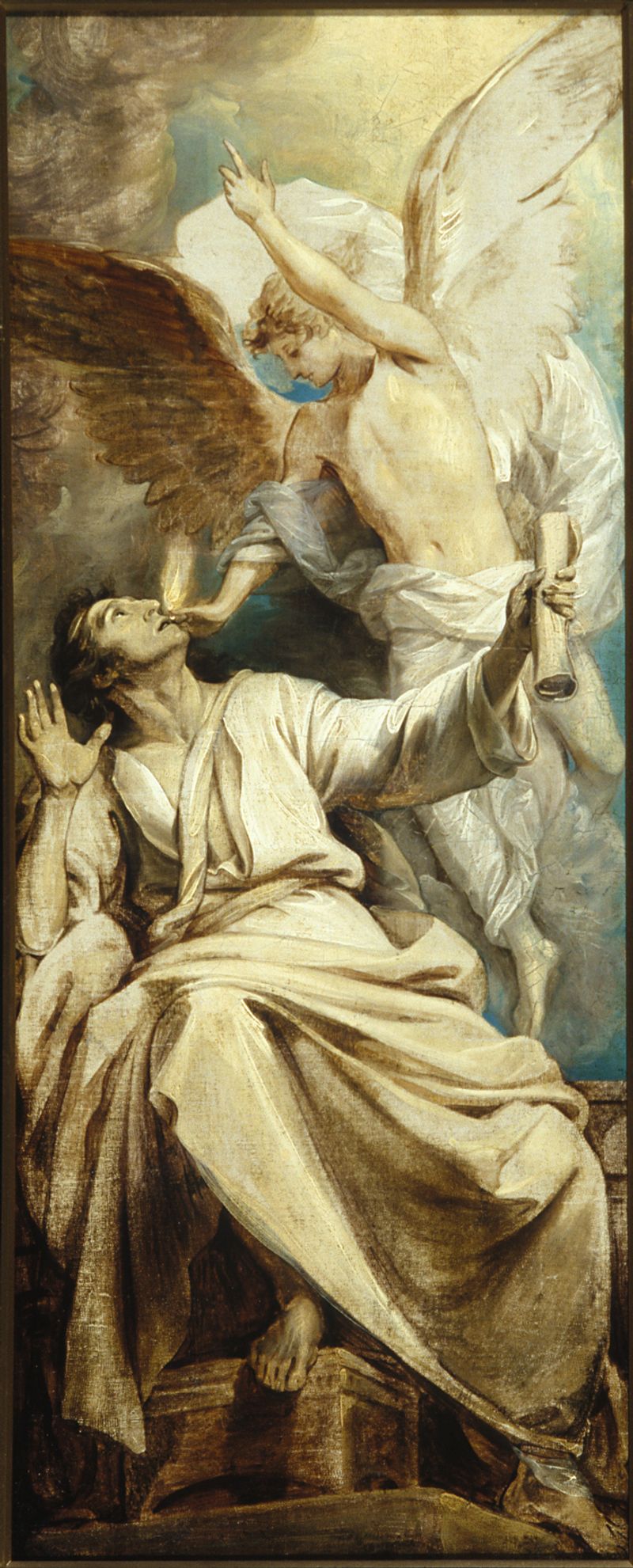
Isaiah 1:1-31; 2:1-22
According to Talmudic ruminations, the prophet Isaiah descended from royal stock. His father, Amoz, himself, a son of the Judahite king, Joash, and the brother of King Amaziah. That would have made Isaiah a first cousin of King Uzziah. Uzziah grew up in the shadow of the palace in Jerusalem. The tradition places many disciples at the feet of Isaiah in Socratic fashion. He read and taught, all the while, being an observer of what was going on in the palace next door throughout those intoxicating days in the first half of the 8th century BC.
Parenthetically, during this same period, King Jeroboam II was lifting the northern kingdom of Israel to the same heights of wealth and power during his own lengthy reign; and likewise being observed by a fig-picking prophet named Amos. who claimed no prophetic mantle.
Initially, Isaiah was impressed with his imperial cousin. According to 2 Chronicles 26, Uzziah was a king who “did what was right in the eyes of the LORD,” and “God made him prosper.” And thrive he did: A lengthy 52-year reign; military success; building prowess; with riches and wisdom abundant as in the days of King Solomon— Jerusalem had not bathed in such prosperity since that halcyon reign. Isaiah’s disciples knew nothing but success and prosperity in their young lives, but Isaiah surely sensed growing shadows waiting to encroach upon and envelop the sunshine of an all-too-evanescent golden age.
2 Chronicles 26:15-16 unpacks the unraveling — a boom town gone bust— “And Uzziah’s fame spread far, for he was marvelously helped, till he was strong. But when he was strong, he grew proud, to his destruction. For he was unfaithful to the LORD his God.” “Till he was strong[!]” His head clouded with an overabundance of blessing, the undoing came in usurping the divinely restricted, prescribed role of high priest to himself. He was struck with leprosy and relegated to the role of passive observer of irrevocable decline of his once glorious kingdom. Both Judah in the south and Israel in the north, would be choked with all manner of worldliness, inspired by their own success and excess.
As we begin a study of the book of Isaiah, this is the Sitz im Leben (“situation in life”) of this prophet. The opening chapter of Isaiah is thought by many commentators to be a summary of the entire prophecy from chapters 2-66. It cuts no slack in a harsh appraisal of the hard-hearted rebellion of God’s people— (1:3) “The ox knows its owner, and the donkey its master's crib, but Israel does not know, my people do not understand.”
And yet, in the midst of this oracle of doom, the prophet never shuts the door on the sin saturated society of God’s People. Woven in the fabric of judgment, the call for repentance is prominent; but even more so, the gracious call for reconciliation, based on the love of God, always punctuates the scene. (1:18) “Come now, let us reason together, says the LORD: though your sins are like scarlet, they shall be as white as snow; though they are red like crimson, they shall become like wool.” And, (2:2) “It shall come to pass in the latter days that the mountain of the house of the LORD shall be established as the highest of the mountains and shall be lifted up above the hills; and all the nations shall flow to it.” And, the pastoral footnote of God’s mercy, (2:5) “O house of Jacob, come, let us walk in the light of the LORD.”
This is the prophetic script: judgment, the call to repentance, the prospect of reconciliation, with the end being gracious redemption. Far too many Bible readers are put off by the tone and the seeming glut of doom oracles in the Prophets. Yet, the singular purpose of publicly articulated judgment is to the reclamation of wayward sinners. We see this in Christ Jesus. For God does so love the world; and is not willing that any should perish, but that all might reach repentance.
As you read through the narratives, poetry and prophecies of this rich sacred book in the Old Testament, remember the circumstances and urgency that brought Isaiah into the public square to be a prophet of God.
Art: Benjamin West “The Inspiration of the Prophet Isaiah” (1782)